I’m your friendly neighborhood handyman in Singapore, and today I’m here to help you understand how much it costs to repair roof leaks.
Roof leaks can cause serious problems if not fixed quickly, so it’s important to know what to expect when it comes to costs.
Whether you’re dealing with a minor drip or a major leak, understanding the factors that influence the cost of repairs can help you budget effectively and make informed decisions.
In this blog post, we’ll explore the various elements that affect the cost of roof leak repairs in Singapore. From the type of roof and the extent of damage to labor and material costs, and even additional factors like accessibility and weather conditions, we’ll cover everything you need to know.
Average Cost of Roof Leak Repair in Singapore
Average Cost
To give you a clearer picture, fixing a roof leak in Singapore can typically cost between $200 and $800. Here’s a quick summary:
- Minor Repairs: $200 to $350
- Moderate Repairs: $350 to $600
- Major Repairs: $600 to $800+
But there are many factors contributing the cost so let’s take into account each to hava a better understanding.
5 Factors Affecting the Overall Roof Cost Repair in Singapore
1. Type of Roof
The type of roof you have significantly impacts the cost of repair. Here’s a breakdown:
- Flat Roofs: These are generally easier to repair because they are accessible and straightforward. The cost for flat roof repairs usually ranges from $200 to $400.
- Sloped Roofs: These can be more challenging and dangerous to work on. Sloped roofs require more safety precautions and specialized techniques, which can increase the cost. Expect to pay between $300 and $600 for repairs.
- Roofing Materials: The material of your roof also matters. For instance, repairing metal roofs can be different from fixing tile or shingle roofs. Metal roof repairs might be quicker and cheaper, while tiles or shingles could require more detailed work, impacting the cost.
2. Extent of Damage
The severity of the roof leak plays a crucial role in determining the cost. Here’s how:
- Small Leaks: Minor leaks that are easy to locate and fix can cost between $200 and $350. These usually involve patching a small area or replacing a few tiles or shingles.
- Large Leaks: More extensive damage can be more costly, ranging from $400 to $800. This might involve replacing a significant portion of the roofing material or addressing underlying structural issues.
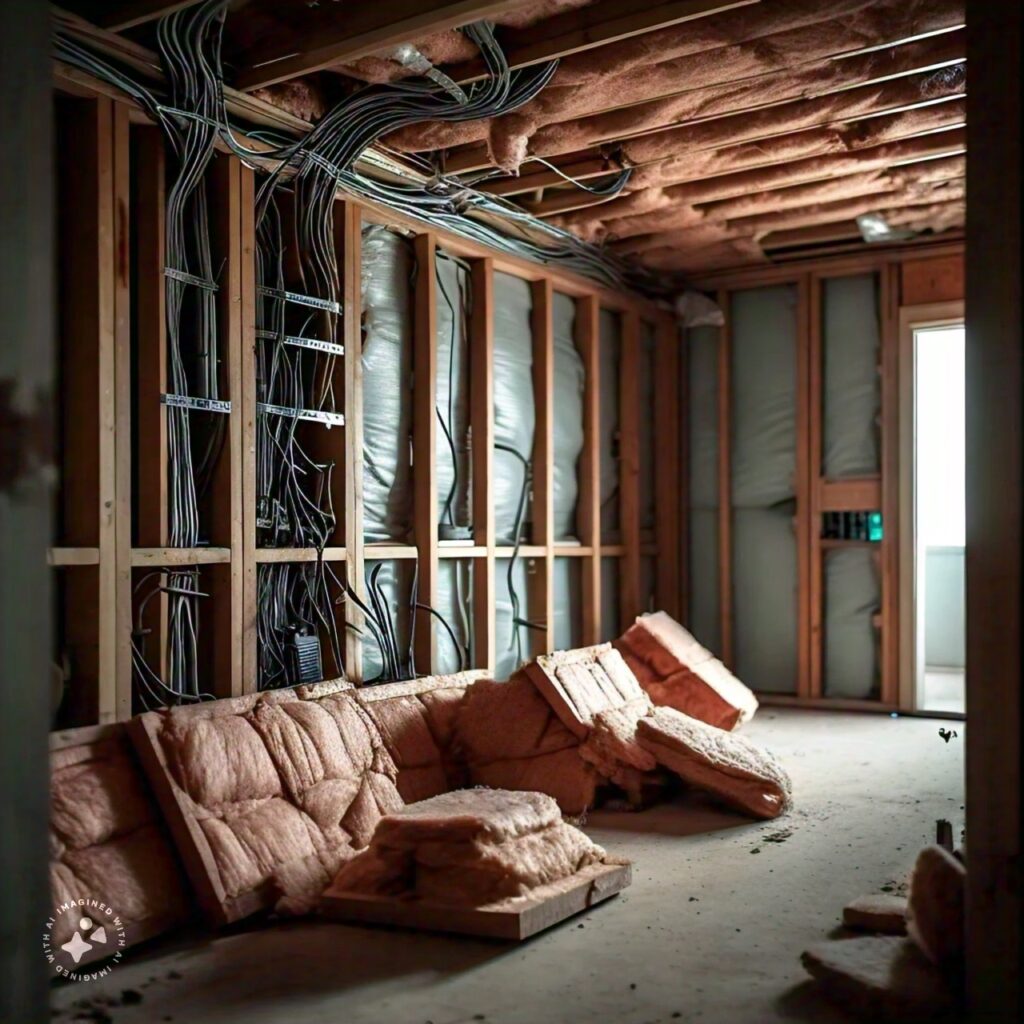
- Hidden Damage: Sometimes, the visible leak is just the tip of the iceberg. Water can cause hidden damage to insulation, ceilings, or even the structure of your home. Repairs for these hidden damages can add an additional $200 to $500 to the overall cost.
3. Labour and Materials
The cost of labor and materials in Singapore can also affect the overall repair cost. Here’s what to consider:
- Labor: Skilled labor costs can vary. Hiring experienced and reliable professionals may cost more, but it’s worth it for quality work. Labor costs can range from $50 to $100 per hour, depending on the complexity of the job.
- Materials: The quality of materials used for repairs impacts the cost. High-quality materials like premium shingles or specialized waterproof coatings can cost more but will last longer. Material costs can range from $100 to $300 depending on what’s needed.
- Urgency: If you need urgent repairs, you might have to pay a premium for emergency services. This can add 10% to 20% to the overall cost, especially if the repairs need to be done outside regular working hours.
4. Accessibility of the Roof
How easy it is to access your roof can also impact the repair cost.
- Height of the Building: Repairing the roof of a single-story house is usually cheaper than a multi-story building. The higher the building, the more equipment and safety measures are needed, which increases the cost.
- Obstacles: If there are many obstacles like chimneys, skylights, or solar panels, it can make the repair job more complicated and time-consuming. Navigating around these obstacles can add to the labor costs.
- Roof Design: Complex roof designs with many angles and slopes require more time and skill to repair, which can also increase the cost.
5. Weather Conditions
The weather can play a significant role in the timing and cost of roof repairs.
- Rainy Season: During the rainy season, demand for roof repairs often increases, leading to higher costs. Additionally, repairing roofs in wet conditions can be more challenging and time-consuming.
- Dry Season: Repairs during the dry season are generally easier and safer to perform, potentially lowering the cost. However, during peak dry seasons, high demand can still drive up prices.
- Urgency Due to Weather: If an immediate repair is needed due to incoming bad weather, it might cost more due to the urgency and potential risks involved.